
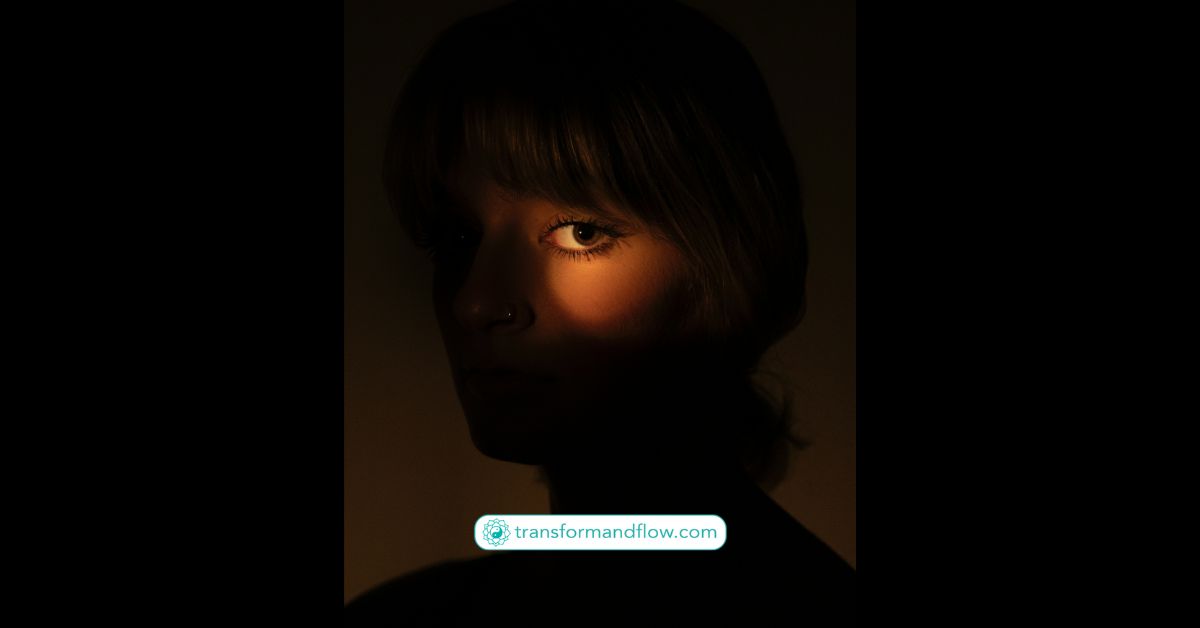
Fear. It’s a primal, visceral response that has ensured the survival of our species for millennia. It warns us of genuine danger, prompting us to fight, flee, or freeze when faced with a real threat. But often, the fears that paralyze us in modern life are not about survival from a sabre-toothed tiger, but rather about perceived threats to our ego, comfort, or future. These are the fears that are best understood by the powerful acronym: FEAR = False Evidence That Appears Real.
This concise yet profound definition, popularized in various self-help and motivational circles, suggests that many of our anxieties, insecurities, and inhibitions are not rooted in objective reality, but in imagined scenarios, distorted perceptions, and projected negative outcomes. It’s the nagging voice that whispers “you’re not good enough,” the dread that grips us before a job interview, or the paralysis that prevents us from pursuing a dream. Unmasking these fears as “false evidence” is the first critical step toward reclaiming our power and living a life of greater freedom and fulfillment.
The Architect of Illusion: How FEAR Takes Hold
Our brains are remarkable prediction machines. They constantly scan our environment, draw upon past experiences, and project into the future to keep us safe. This evolutionary trait, however, can sometimes work against us, creating elaborate illusions of danger where none truly exists.
Here’s how “False Evidence Appearing Real” often manifests:
Past Trauma and Negative Experiences:
A past failure, a painful rejection, or a critical comment can leave a deep imprint. Our brain then generalizes this experience, projecting it onto future situations. If you stumbled during a presentation once, your brain might generate “false evidence” that all future presentations will end in disaster, even if you’re now more prepared.
Cognitive Distortions
Our minds are prone to thinking errors that fuel fear.
- Catastrophizing: Blowing minor setbacks into major catastrophes. “If I don’t get this promotion, my entire career is over.”
- Mind Reading: Assuming you know what others are thinking, usually negatively. “They probably think I’m incompetent.”
- Fortune-Telling: Predicting negative outcomes without evidence. “I just know this project will fail.”
- Black-and-White Thinking: Seeing things in extremes, leaving no room for nuance. “If I’m not perfect, I’m a complete failure.”
Social Comparison
In the age of social media, comparing our unfiltered lives to others’ curated highlights creates an endless stream of “false evidence” about our own inadequacy. We see perceived perfections and achievements in others and conclude we fall short, fostering fears of not being good enough or successful enough.
The Unknown
Fear of the unknown is deeply ingrained. Our minds prefer certainty, and when faced with ambiguity (a new job, a new relationship, a big move), they tend to fill the void with worst-case scenarios, constructing “false evidence” about potential dangers.
Perfectionism
The fear of making mistakes or not being perfect can be a powerful source of paralysis. It creates “false evidence” that any outcome less than flawless is a catastrophic failure, preventing action altogether.
These aren’t conscious, rational decisions. They are often automatic, deeply ingrained thought patterns that generate powerful emotional responses, making the “false evidence” feel incredibly real and compelling.
Disarming the Illusion: Strategies to Unmask FEAR
Recognizing FEAR as “False Evidence Appearing Real” is the first step; the next is to actively disarm it. This requires a conscious effort to challenge our thoughts, reframe our perceptions, and take action despite discomfort.
- Identify the “Evidence”: When fear grips you, pause. What specific thoughts or images are running through your mind? What’s the narrative? Write it down. Often, just articulating the fear exposes its irrationality.
- Question the “False”: Once you’ve identified the evidence, scrutinize it. Is it based on facts, or assumptions? Is there any actual proof that this negative outcome will happen? What’s the best-case scenario? What’s the most likely scenario? Are you projecting past failures onto a new situation without considering new variables?
- Seek Counter-Evidence: Actively look for information that contradicts your fear. If you fear public speaking, recall times you spoke well, or research how others overcame similar fears. If you fear financial ruin, review your budget and financial safeguards.
- Practice Exposure (Small Steps): The best way to dismantle “false evidence” is through real-world experience. Take small, manageable steps towards what you fear. If you fear networking, start by attending a small online event. If you fear rejection, make one small request you know might be denied. Each successful (or even partially successful) step provides real evidence that counteracts the false.
- Focus on What You Can Control: Many fears stem from a perceived lack of control. Shift your attention to the aspects of the situation you can influence – your preparation, your effort, your attitude, your response. Let go of the outcomes you cannot control.
- Mindfulness and Detachment: Observe your fearful thoughts without judgment. Acknowledge them, but don’t fuse with them. Remind yourself, “This is just a thought, not a reality.” This detachment weakens the fear’s grip.
- Positive Affirmations and Visualization: Actively replace fearful thoughts with positive, evidence-based affirmations. Visualize successful outcomes, not just the failures. This helps reprogram your subconscious mind over time.
Triumph Over FEAR: Real-World Example
Countless individuals have achieved extraordinary things by recognizing and disarming “False Evidence Appearing Real.”
J.K. Rowling and the Fear of Failure: Before the global phenomenon of Harry Potter, J.K. Rowling faced immense personal challenges. She was a single mother, living on welfare, and her first novel was rejected by numerous publishers. The “false evidence” would have screamed: “You’re a failure as a writer; no one wants this story; you’re financially insecure; give up!” The reality appeared bleak. Yet, she persevered, driven by her love for the story and her conviction in its magic. Each rejection was a piece of “false evidence” that she chose to ignore, focusing instead on the real evidence of her passion and commitment to her craft. She continued to write, to refine, and to seek new opportunities. Her triumph wasn’t just about selling millions of books; it was about her internal victory over the crushing weight of perceived failure and insecurity, transforming “false evidence” into a foundation for monumental success.
FEAR is often not a predictor of what will happen, but a reflection of our limiting beliefs. Recognize it, make an effort to raise your consciousness about it and you will gain the power to challenge those beliefs and choose a different path.
Conclusion: Reclaiming Your Reality
The acronym FEAR = False Evidence Appearing Real offers us a profound lens through which to examine our anxieties. It empowers us to shift from a victim of fear to an active participant in shaping our internal landscape. By understanding that many of our fears are simply illusions conjured by our minds, we can begin the work of dismantling them.
This isn’t about becoming fearless, but about cultivating courage – the willingness to act even when fear is present, because you’ve recognized its deceptive nature. It’s about questioning the narratives that hold you back, seeking real evidence, and taking intentional, brave steps forward.
The path to a life unburdened by irrational fears is an ongoing practice. It requires self-awareness, critical thinking, and a commitment to action. But by consistently unmasking the “false evidence” that appears so real, you reclaim your power, expand your possibilities, and discover a truer, more vibrant reality waiting to be lived.
Don’t let shadows dictate your steps; shine the light of truth on your fears and watch them dissipate.